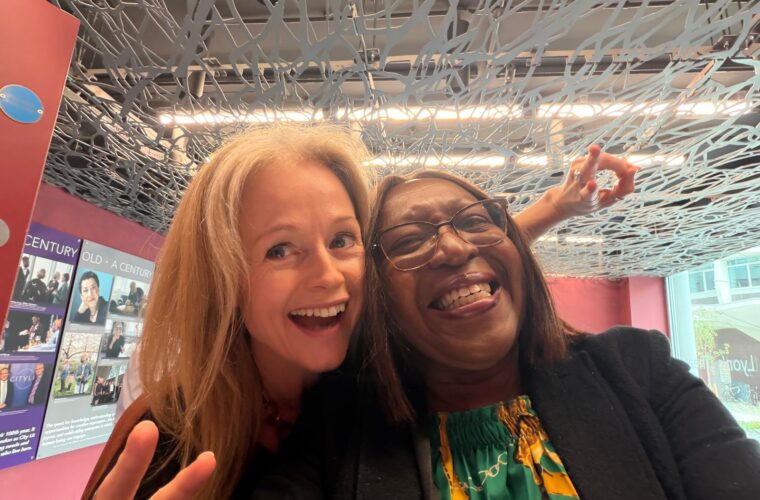
Is what is demonstrated, empathy or compassion?
Empathy says ‘I know that you are suffering. Compassion asks ‘how can I help you’. Compassion takes empathy a step further. Suffering with others combines an active desire to ease distress and embrace a practical drive to make things better.
Empathy involves understanding and feeling with someone by listening, noticing, remembering, holding space for others, noticing something is wrong.
Compassion, solving, fixing, giving, doing, encouraging, and motivating is supportive. The compassionate person helps by organising and showing up for others. They are the persons people call first.
Both empathy and compassion involve helping others – both emotions are good for the helper, producing feelings of hope, feeling understood, soothing, demonstrating care and courage.
Empathy enhances trust, collaboration, productivity, engagement and retention as well as reduces stress levels. Through an empathetic lens people are able to make better judgements .
“Empathy needs to be recognised, valued and understood. People need to learn how to express empathy to have greater influence and ensure emotional diversity around the table” says Jess Baker , author of the award winning survival guide for compassionate people, ‘The Super-Helper Syndrome.’
Stepping In
Compassionate actions require helping people in need or distress, caring for a vulnerable person and widening access to opportunities.
Whether what is an offer is empathy or compassion, the world is enriched and a better place.