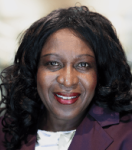
[0:00:00] Paula: Today I want to welcome everyone to Future Focused Wellbeing and Resilience, where we at Tesse Akpeki, and myself focus on journeys and strategies that keep all of us well and support our resilience. We recognize that no two journeys are the same, and we also know that there’s some habits, practices, and lessons that can nurture and help us flourish and strive. We love to capture and share these pearls of insights, stories, and wisdom with you, our listening audience. And today’s no exception. We have a very, very special guest and her name is Kori Kanayama, who is a community farm chef. We are going to be talking about self-care, and I think I’ll let Kori introduce herself. Yes, how about that? So, welcome to the Future Focus, where our topic today is self-care.
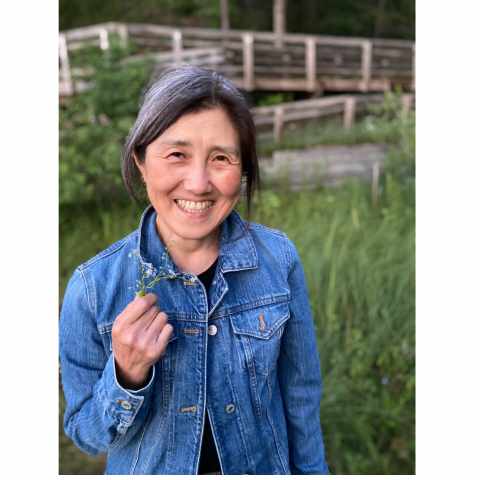
[0:01:02] Kori: Thank you so much, Paula and Tesse. It’s a great pleasure and privilege to be here with you. So, how do I introduce myself? I am of Japanese heritage. I have lived in the US for 41 years. I integrated with my family when I was 19 years old. And so I finished college in the US and had a professional career in management, consulting and affordable housing development. And also married and have two children. They’re now 19 and 25 years old. But I believe I am here to with you because I have been on a journey of resilience and wellbeing. I had an episode about over a year, oh, let’s say it took me two years to figure out what I might be doing next in my fourth career path. And it took a lot of like learning to take care of myself in a way I didn’t know how or couldn’t. So, is that a good introduction?
[0:02:26] Tesse: Smashing. Kori, every time you say hello, I glow. Honestly and it’s just one of those things. And welcome to the show. Welcome, what you shared with me and Paula, I’m going to share with our audience and I read your words, because I want to honor your words. My neurodivergence a midlife ADHD diagnosis means I see connections between divergent topics. Sometimes I wander off in an unexpected direction. Now I heard this and all I could think is superpower. That’s what I could think. And I’m curious about supportive strategies that help you in demonstrating this superpower.
[0:03:31] Kori: That is not a simple question to answer. I think just going down some roads, exploring and saying, no, this is not it. And continuing to explore and be curious. And I can’t say, do not be discouraged because at being discouraged is part of the journey. No, no, when we say self-care, do we really mean, can I ask you that question back right now and then I will continue?
[0:04:09] Tesse: That’s a wonderful thing. Consultancy piece of use coming back. I heard about consultancy saying consultancy is asking someone for the wristwatch so that you can tell them the time. I mean, kind of like one of those things. And I love the question about self-care because I think what occurs to me is that self-care would mean different things to different people. And so the way I am using it for myself and for people that I coach is very much about how they take care of themselves and how they take care of themselves will be different. It will differ from person to person. It will differ from circumstance to circumstance. So to me, a practice of self-care is self-compassion. Actually treating yourself as you would treat a dear friend. And in a lot of situations we talk to ourselves in a way would never, ever, ever dream of talking to a friend. Have you ever caught yourself saying, stupid me? How stupid can I be? How often? Or have you kind of like, you’ve had a whole day and you haven’t even had two or three hours sleep between one day and the next. So for me, self-care is caring for yourself as you would a dear friend.
[0:05:31] Kori: I have heard that before. Another way I’ve heard that is like could you give yourself, could we give ourself the advice that if our dear friend were in the same situation, what would we tell them? So thank you so much. Self-care. So, getting a diagnosis was freeing. Something happened after, I believe after I turned 40. It wasn’t possible anymore to hold the details, hold the big picture, take care of the family, take care of the kids, support my ex-husband, do my career. It wasn’t possible anymore. And I think one of the therapists I was seeing suggested you might get tested. And so this was part of the answer. Oh, this is why it was getting so difficult. And then so, but once you have a diagnosis, then how do we treat it? And I realize now, just seeing it as an affliction to be treated that is not, if you like, by your definition of self-care.
[0:06:50] Kori: I’m not sure. Maybe there are people out there who can look at it in that way, in a compassionate way. But so I mean, I think it did lead to a place of like looking for affirmative ways of looking at having this nervous system. It could be a superpower. There’s a person who does exactly that. Calwell is a last name. He’s a very well-known ADHD researcher. And he has his own like treatment centers based out of Massachusetts. He talks about it in the same way. And so it’s a particular nervous system that can make connections, but we can be distracted. It may feel like really impossible to do things that, I really need to take care of this business thing or personal thing. But all I want to do is like do like anything but that. And then, so I think if I did what for myself, can I focus and do the thing that is difficult for me to do?
[0:07:55] Kori: I think continually asking that question and not denigrate myself, like you said, Tesse, like words matter and how we describe ourselves and labeling ourselves in a negative way. Just because we have a hard time doing something we want to do, it did not serve me. So, I think being on that journey of being self-compassionate when it’s difficult to. What does holding ourselves accountable look like when we are being self-compassionate, finding like my own answers to that. I mean, I’m definitely still on that journey. And so techniques and treatment and these things come after that to me. Like I’m continually renewing that concept.
[0:08:42] Tesse: It’s beautiful. Continue renewing the concept.
[0:08:53] Kori:Holding ourselves in a light. Like we are people who want to do good things.
[0:08:55] Paula: That was a deep question and you answered it so beautifully.
[0:09:02] Kori: Thank you. It touches a lot of things. The way this world and society functions, like it can feel like it wasn’t made for neurodivergent people. It’s challenging to hold myself accountable in a compassionate way. Like sometimes I feel like I’m being called to like come up with my own way of thinking about being effective. Like the term time management itself. Is time the thing to be managed or is it our ability to pay attention? I’ve heard it said that time management is maybe becoming outdated as a concept. I mean, we want like a different ways of looking at time and how we can pay attention. Like being kind to ourselves and putting ourselves in position to pay attention. Maybe that’s more important.
[0:10:05] Paula: One way of looking at time. That’s interesting. I know that prior to becoming the community chef that you’re not were, but you’re, you were an independent management consultant in organizational development. And as we talked about being neurodivergent and holding ourselves accountable as a definition of self-compassion. I wonder if you could bring in, if you think really that the strategies or tips that you used when you were that management consultant. If now that talking about self-care, self-compassion, is there anything that you could glean from that, that you bring into your new role as a community chef? As I know you’re serving people through what you do now?
[0:10:58] Kori: Thank you Paula. Another deeply exploratory question. One thing I started to think when I was, let’s say kind of in a period of introspection to explore what I needed to change to stay on this journey of transformation and resilience. It’s like the level of self-care that I was doing is like making sure I do an aerobic activity in the morning that definitely helps people like me focus. Getting a good night’s sleep. That definitely, that’s like foundational and eating nourishing food. That’s another one that feeds our physical selves. And then for me it was having time in nature/mindfulness practice of doing meditations like sitting meditation, like Buddhist mindfulness meditation, which is I’m Japanese, but it’s definitely not in my background. It was something that I come to in my adult life. So doing those things when I was in management consulting, in serving a client who brought me, I thought was the most amazing assignment of my career. But the work became difficult and it was stressful.
[0:12:55] Kori: And so doing those four things in the way I was doing them, it only served me to stay longer in this stressful situation that eventually broke me physically. I became sick in a way that I had never become sick. And so part of why I asked about what is self-care, that in that context, doing those four things wasn’t really taking care of myself. And so I needed to go deeper and like being really self-compassionate, it would’ve been to take myself out of this assignment. And I just did not have the presence of mind to do that. I had some other beliefs that turned out to be incorrect, that compelled me to stay in that stressful situation. And so part of my learning is, if self-care just compels you to stay in a situation that is not sustainable, is that really self-care. It took me months to get to this. I can talk about it now. Two years later after that happened, I could not make sense of this.
[0:14:20] Kori: And then so that put me on this unexpected period. I call it my liminal period because you could say transition, but there’s something about the word transition. Like you go through the transitional space just to get to the next phase. And so like you need to rush through it or you need to like let’s learn the lesson as quickly as we can so we can get to the other side. It wasn’t really how it happened for me, I needed to like really delve into it and take the time, even though it really made me feel like, so that was an extended period of not being able to earn, to bring in income or to live my life. I still wanted to, I’m not sure if I wanted to, but I just stayed in that space even though it was uncomfortable to figure this out for myself. And eventually I did. And so I am doing things like taking a break when, like in the past I would’ve just made myself keep on going or separating myself from something or some people if I didn’t think it was serving me or the situation. These are things that are new to me.
[0:15:39] Paula: Thank you for sharing that. Because what I hear from you, I could actually feel the emotions in your voice as you recounted what happened. But I also hear a triumph in your voice that now you look back, you can see the — well, the way you handled it was not optimal. And so your strategy now, your advice now to others will be move out or remove yourself from situation that don’t build you up because you are…
[0:16:11] Kori: Yeah. Sorry, please continue.
[0:16:13] Paula: No, no, no. Say what you’re saying because it’s you.
[0:16:17] Kori: Look, your paraphrasing really helps integrate what I said I could be wordy sometimes. And you said it succinct. I appreciate it. Yeah, it was brutal. No question about it. What happened was very painful and why did it happen? It really does not serve me to blame others whose behaviors hurt me, is how did I put myself in the situation? It can all be traced back to the decisions I made. And I stayed because I felt like I needed to make this work because why? Because this is how I was making a living. But in hindsight, the pain outweighed the benefits by far. Even if it might feel like there was no choice to do otherwise. There are always choices. I mean, another hard lesson, and this was the biggest job of my management consultant career. I had four subcontractors and some of them saw it more clearly than I, and they gave me advice and I could not hear them. That was on me. I had really smart, good people that I chose to work with me on this tough, tough job. They were there to advise me.
[0:17:47] Tesse: And yeah, Kori, I hear you. We hear you, we see you, we feel you. Earlier on you asked me self-care, self-care is also not beating yourself up. And there’s a wonderful woman who works on compassion called Kristine Neff.
[0:18:06] Kori: Oh I know who she’s, yes, yes.
[0:18:08] Tesse: N-E-F-F. I came across her work through someone who has been on this show actually Fran, who has been on this show. I came across Christine’s work, through Fran, who was coaching me. But what I actually learned about compassion, both from Fran and from Christine’s work, is not to judge ourselves harshly. We say one of the conditions is not to judge, to be non-judgmental, but we do it to ourselves and not to judge. That’s number one. So, it’s that. And sometimes we need therapy, sometimes we need coaching to help us with that.
[0:18:48] Tesse: But the other thing that I’m learning on this wellbeing journey is about trauma-informed environments and trauma responses. What do I mean by that? There’s sometimes people talk about fight, flight and freeze. That’s what we talk about a lot, those three Fs. But what people don’t really talk about is fawning, F-A-W-N-I-N-G, fawning, which is pleasing. They don’t really talk about fawning. And actually some people, and I include myself in this, will stay in hurtful, harmful, damaging situation because we are people pleasers. And we want to please other people. We want to please the organizations, but we don’t want to actually please ourselves. So, we self-abandon, what am I trying to say? Sometimes in coaching circles and in therapy sessions, we need the help of professionals to help hold up a mirror to what we are doing so that we can learn how to be in similar situations in different ways. And this is something that I’m learning, this is something that I’m coaching other people on. Because Maya Angelo says he or she who knows better, does better, right? I didn’t know this stuff and I said I’m staying, where am I staying when somebody’s slapping me? I’m staying And I’m not always talking about the physical slap. I’m talking about the kind of hurry up driver, do this, the deadlines that keep moving. I’m talking about all those things. Presentism, I’m talking about all that. But actually some of those reactions and responses are trauma related.
[0:20:26] Tesse: So, there’s something here that we’re talking about in this situation of self-care, which is integration of what belongs to the trauma environment. How can we get released? There’s something else about what is about self-care that relaxes or refreshes or restores us. The other thing is how can we learn from the stories of the past? Yes, we narrate them, but as one person said, the past is for reference, not for residence. So how can we learn from those and move on, which you have done, but don’t beat yourself up because it was what it was then. And were a lot of reasons why that was your response. A lot of reasons.
[0:21:08] Kori: Yes, yes. No, you are so skillful Tesse and how you talk about this like integration of what belongs in trauma. I mean I think that primarily, let me see if I can talk about this very quickly because the time is running short, but it seems like a really important point. The background to how I responded in that situation, I think has its roots in the childhood trauma that shaped how I respond to difficult situation is to grab on, not be able to release. And the reason why I can talk about it like this is because I no longer blame myself for what happened. I have compassion. So, I think partly I became this 9-year-old me who desperately wanted to please my dad, but I felt like I couldn’t. And so that’s at the bottom of my feeling like I’m never enough. Like it has no relationship to my actual achievement and what I’ve been able to do. So yeah, that’s a lifetime work. And being able to see that depth of it and separate it, integrated into the other stuff that’s more reachable is lifetime work. I am not making light of any of that. And I’m not saying that anyone can do this because this is hard work. It’s the hardest thing I’ve ever done and continues.
[0:22:54] Tesse: And you are so amazing and we’d like to bring you back again to kind of build on the childhood experiences, et cetera. But I want to kind of leave you with something that has been really instrumental and helpful for helping me as well, which is called Internal Family Systems. IFS and Internal Family Systems are really useful. So, we come back and we could probably invite somebody’s coach who actually specializes in IFS and have a conversation because what I’ve kind of learned from Internal Family Systems is to see those parts of us that served us at that time. And they were great at that time. They were great for the 9-year-old and we thank that part. But now we thank, we get to know the part of us is this age and then we have integration and that’s done skillfully. But what I’m finding in actually embracing IFS work is that you become stronger than before because things like fragility, which sometimes people talk about fragility as a negative thing, fragility a part of resilience because fragility is saying, I’m human. And so this wonderful IFS system strengthens us in whatever situation we are to be compassionate, to let go, to repair, to restore, to be stronger, and actually to love others more because we love ourselves better. So, I leave that and sort of hand back to Paula, but thank you so much for being vulnerable. Thank you.
Outro
[0:24:30] Paula: Yes, thank you so much. I like the suggestion that we do have another session with IFS, Internal Family Systems. So to our listeners, we ask that you continue to follow us and subscribe so that you too can learn more or learn about Internal Family systems on an episode that will follow this. And so if you haven’t yet subscribed to our channel, we encourage you to head over to Apple Podcast, Spotify, YouTube, or wherever else that you get your podcasts at. Please subscribe there. And we also always invite you to write us a raving review. And if you’ve got any questions or topics that you’ll like us to cover, we ask that you reach out to us our website, which is www.futurefocuswellbeing.com. Thank you so much, Kori, for joining Tesse and I on this episode of Self-Care. And we appreciate you talking about your self-care journey. Thank you.
[0:25:39] Tesse: Thank you Kori. You’re amazing. Awesome. And a superpower. Take care.
[0:25:49] Kori: Oh my gosh. Thank you so much for the privilege of being held by you as hosts. It is incredible.